Space-Saving Devices for Small Homes
Learn what counts as a space-saving device, which compact and wall-mounted gadgets suit small homes, and how to choose equipment that earns its spot.

Contents
- What a space saver device actually is
- Main types of space-saving gadgets for small homes
- Multifunctional devices for small kitchens
- Wall-mounted devices and safe fixing
- Foldable and compact tools for cleaning and repairs
- Space-saving gadgets for bathrooms, studios and balconies
- How to choose space saving equipment during a move
- Keeping compact devices from cluttering the room
- Questions about space-saving devices
- What does space saver mean for household devices?
- Are multifunctional gadgets worth it in a small apartment?
- Can I mount devices on a wall in a rental home?
- Which compact appliances need a professional to install?
- How do I know if a compact appliance is big enough?
- Are foldable tools as sturdy as full-size ones?
Space-saving devices for small homes are appliances and tools that do more work in less space. They fold, stack, mount on a wall or combine several jobs in one body. The right choice depends on what you use daily and where each item can live between uses.
- Measure the spot where a device will live before you buy it.
- Choose multifunctional devices only when you would use each function regularly.
- Mount wall devices into studs or masonry with fixings rated for the load.
- Foldable tools save space only if folding and unfolding stays quick and easy.
- Give every device one fixed home so it does not drift onto counters.
What a space saver device actually is
A space saver device is equipment designed to take less room than its standard version. The saving can come from a smaller footprint, a folding frame or a wall mount. Some designs combine two or three tools in one body instead of shrinking a single tool.
The space saver definition also covers storage time, not only working time. A stand mixer may be small on the counter yet awkward to store in a cupboard. Good compact household devices stay small in both states, in use and put away.
Footprint is the area a device covers on a floor, counter or shelf. Height and depth matter just as much, since cupboards and shelves limit both. A slim device that is too tall for a cabinet still ends up on the counter.
Main types of space-saving gadgets for small homes
Space-saving gadgets fall into a few groups based on how they save room. Folding designs collapse flat between uses and slide behind a door or sofa. Stacking and nesting designs sit inside one another, like bowls or storage boxes.
Wall-mounted devices free the floor and counter by moving storage onto vertical surfaces. Multi-function gadgets replace several single-purpose items with one body and swappable parts. Compact designs simply shrink the overall size while keeping the main job.
Each type of space-saving design carries a trade-off that matters in daily use. Folding parts add hinges and locks that need care and regular checking. Combined devices can stop working as a whole when one part fails.
| Type | How it saves space | Examples | Watch for |
|---|---|---|---|
| Folding | Collapses flat between uses | Drying racks, step stools, ironing boards | Hinge and lock condition |
| Nesting or stacking | Pieces fit inside each other | Mixing bowls, collapsible containers | Lost lids and odd sizes |
| Wall-mounted | Moves items off floors and counters | Rails, fold-down tables, hairdryer holders | Wall type and load |
| Multifunctional | One body does several jobs | Combination oven, multi-bit screwdriver | Repair if one part fails |
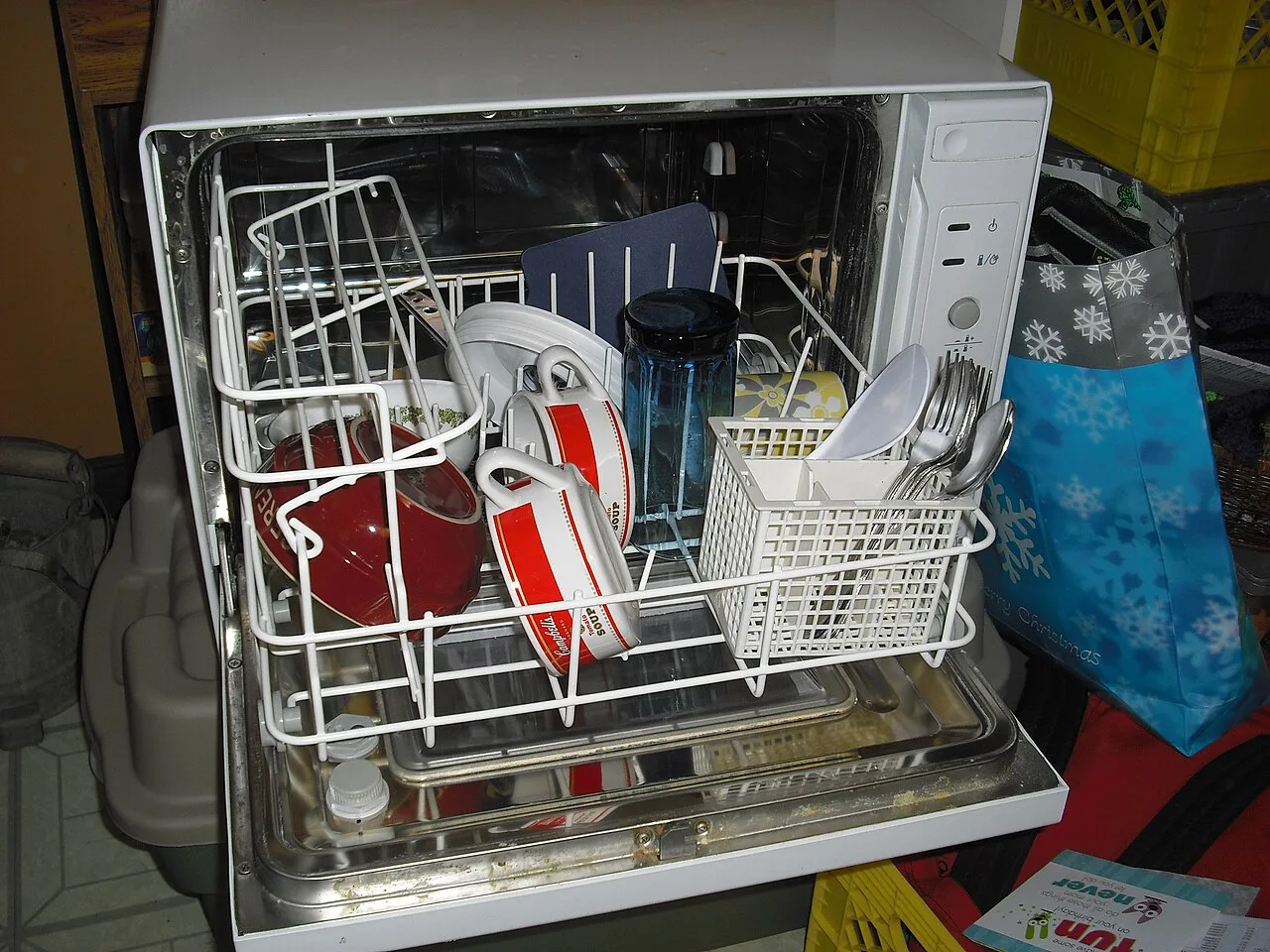
| Compact | Smaller version of a full device | Slim dishwasher, handheld vacuum | Capacity for your household |
Multifunctional devices for small kitchens
Multifunctional devices in a small kitchen replace two or three appliances with one footprint. A combination oven with microwave and convection modes can stand in for separate units. A multicooker can pressure cook, slow cook and steam in a single pot.
A combined kitchen appliance earns its space only when you use most of its functions. A blender with ten attachments wastes room if eight of them stay in a drawer. List the cooking jobs you do each week before comparing models.
Compact equipment for small homes also includes narrow and countertop versions of full appliances. Slim dishwashers, under-counter fridges and two-burner hobs fit tight kitchen layouts. Built-in appliances and gas connections need a qualified installer rather than a home fitting.
Wall-mounted devices and safe fixing
Wall-mounted devices move storage and small appliances off floors and counters onto vertical surfaces. Rails, magnetic knife strips, fold-down desks and mounted drying racks all work this way. Vertical space above a counter or door often sits empty in a small home.
Safe wall mounting depends on the wall type and the weight the device carries when loaded. Drywall, brick, concrete and tile each need a different kind of fixing. Heavy items such as shelving or a mounted screen should go into studs or masonry. Studs are the vertical frame members hidden behind a hollow wall.
Check for hidden pipes and cables before drilling into any wall. A cable and pipe detector helps, yet it does not replace care around sockets and switches. Any device wired into the mains or connected to water needs a qualified electrician or plumber.
Foldable and compact tools for cleaning and repairs
Foldable tools and compact cleaning gear can free a full cupboard in a small home. A cordless stick vacuum can hang on a wall dock instead of standing in a corner. A folding step stool slides beside the fridge and still reaches high shelves.
Compact tools for home repairs include multi-bit screwdrivers, folding saws and small cordless drills. A slim tool roll or wall pegboard keeps them visible and easy to grab. Pegboard is a perforated panel that holds hooks in any arrangement you need.
Folding equipment needs a firm, fully locked position before you stand on it or load it. A stool or ladder with a worn hinge or loose catch should go out of use. Read the load rating on the label and stay within that limit.
Space-saving gadgets for bathrooms, studios and balconies
Space saving gadgets for small spaces such as bathrooms rely on doors, walls and corners. Over-the-door hooks, shower caddies and corner shelves use areas that otherwise sit empty. A wall-mounted hairdryer holder clears a drawer for other daily essentials.
In a studio, small home gadgets that hide when unused keep a single room feeling calm. A drop-leaf table folds down against the wall after meals. An under-bed rolling drawer holds bedding, shoes or out-of-season clothes.
A balcony corner can work harder with folding chairs, a fold-down table and rail planters. Items on a railing must be secured against wind and must not overload the railing. Building rules on balcony fixings vary, so ask the building owner or manager before mounting.
How to choose space saving equipment during a move
Choosing space saving equipment starts with measuring the room and the exact spot for storage. Note width, depth and height, plus door swing and drawer clearance. A device that blocks a cupboard door costs more space than it saves.
A moving plan is a good moment to replace bulky items with compact versions. Before packing, list each appliance and ask whether a smaller or combined option exists. Selling or donating a bulky item before the move also lightens the load.
Weigh capacity against size for every compact model you consider. A small washing machine may suit one person but not a family's weekly laundry. Noise, power draw and ease of cleaning matter more in a room where you also sleep.
- Measure the storage spot, not only the spot where you use the device
- List the jobs the device must do each week
- Check the stored size as well as the working size
- Confirm the wall type before buying anything to mount
- Compare capacity with your household's real needs
- Plan one fixed home for the device before it arrives
Keeping compact devices from cluttering the room
Compact devices save space only when each one has a fixed place to return to. A gadget without a home tends to settle on the counter or table. Assign the storage spot on the same day the device arrives.
Duplicate gadgets quietly undo the gain of choosing small equipment. A multi-function device makes its single-purpose cousins redundant, so let those go. Keep attachments in one labeled box or bag stored near the main unit.
Review your small devices whenever the season or the household changes. Anything unused since the last review can move to deeper storage or leave the home. Regular cleaning also matters, since dust in folding joints makes them stiff over time.
Questions about space-saving devices
What does space saver mean for household devices?
Space saver means a household device takes less room than a standard version, in use or in storage. The design may fold, nest, mount on a wall or combine several jobs. A true space saver stays compact both on the counter and in the cupboard.
Are multifunctional gadgets worth it in a small apartment?
Yes, multifunctional gadgets are worth it when you use most of their functions regularly. A combined device with unused modes takes the space of a larger appliance for no gain. Match the functions to the jobs you actually do each week.
Can I mount devices on a wall in a rental home?
Yes, wall mounting in a rental is often possible, but the lease or landlord decides what drilling is allowed. Adhesive hooks and tension rods offer hole-free options for light items. Heavy wall-mounted devices need proper fixings, so get permission before you drill.
Which compact appliances need a professional to install?
Any compact appliance wired into the mains, connected to gas or plumbed into water needs a qualified installer. That group includes some slim dishwashers, built-in ovens and under-counter washing machines. Plug-in countertop devices can usually be set up at home following the manual.
How do I know if a compact appliance is big enough?
A compact appliance is big enough when its capacity matches what your household uses per cycle or meal. Check the capacity figure on the label and compare it with your current appliance. A model that is too small leads to extra cycles, more time and more energy use.
Are foldable tools as sturdy as full-size ones?
Foldable tools can be sturdy, but their strength depends on the hinge, the lock and the load rating. A folding stool or ladder must lock fully before anyone stands on it. Stop using any foldable tool with a bent frame or a loose catch.